

The road trip trend peaked during the pandemic because it was safer than air travel. However, it continues to be popular, with surveys showing that 60% of Americans preferred it in the summer of 2025. This goes in tandem with travel budget cuts by people, as 62% of summer travelers reduced expenses to budget for their next vacation.
Planning a road trip is exciting, but it is easy to cram in too many miles and must‑see stops, then end up exhausted and disappointed. A realistic itinerary starts with getting honest about how you like to travel and how long you truly have. You must also consider how much driving you can comfortably handle in a day.
This approach keeps you safe, protects your budget, and leaves space for spontaneity so the journey feels like a holiday, not a marathon. In this article, we will share a few tips to help you create a realistic itinerary for your next road trip.
Determine the Theme and Duration
When creating an itinerary for your adventure, start by choosing a simple theme that you can filter options by. Some examples are coastal viewpoints, national parks, food trails, heritage towns, or “friends and family” visits. This helps you find a route that matches the main purpose of the trip.
In 2024, the BBC asked readers to share the best pictures on road trip themes. Travel enthusiasts from around the world shared some interesting ones that offer inspiring ideas. These include pictures of wild animals, pets in cars, desert dunes, autumn foliage, and solitary adventures. You can think of a theme that excites you about the adventure.
Once you nail the theme, match it with a realistic duration. As a rule of thumb, many travelers find they need about three days per major destination to avoid rushing. Count your available days, subtract a couple of buffer days, and only then decide how many key stops you can comfortably fit.
Map Your Route
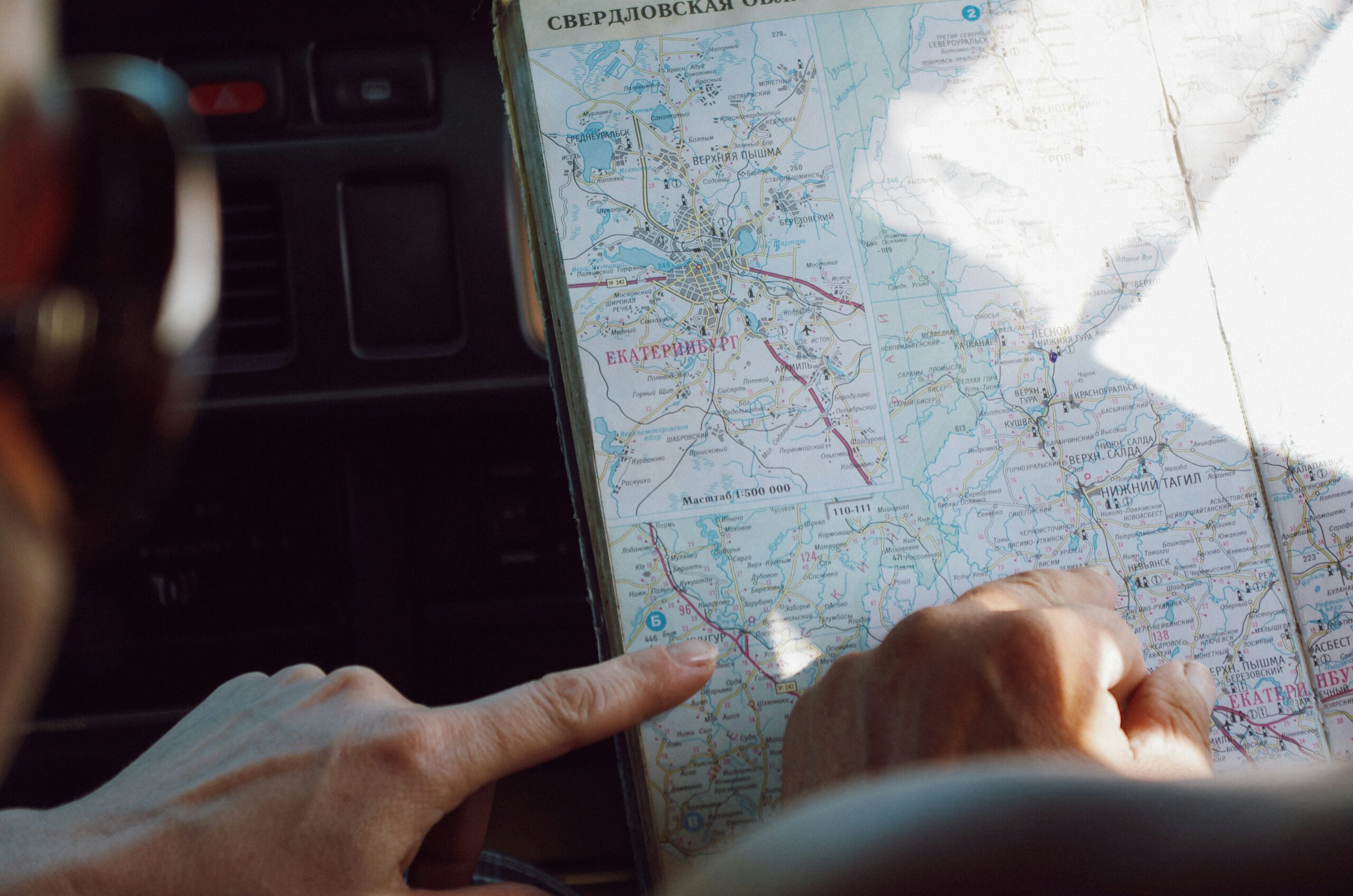
After you are sure about the theme and trip length, it is time to map your route. You can start plotting potential stops on a digital map such as Google Maps or similar tools. Popular Science highlights the useful Google Maps features that can help you create a perfect itinerary for your journey.
You can use them to look up, label, and even save places ahead of time. These features also give you a fair idea of what traffic conditions may be like in the future. Some recently added options can also help find places of interest along your route. Save points of interest and restaurant recommendations, then zoom out to see how they cluster and which ones are too far out of the way.
Create two lists, one for must‑do stops that define the trip, and a “B‑list” bonus stops you will visit only if time and energy permit. You can also use the map to link must‑ do things into a logical loop or avoid excessive backtracking. With a little research and help from Google Maps, you can skip huge detours and cover everything you want.
Set a Daily Driving Limit
Overestimating how many hours you can drive is one of the fastest ways to ruin a road trip. Regular road trippers suggest capping daily driving around 8–9 hours at the absolute maximum/ Take regular breaks to reduce fatigue and accident risk. Some routes are high-risk, so you need to be extra cautious about daily limits to avoid drowsy driving.
Atlanta, for example, has been rated as one of the worst cities for driving. According to a Fox5Atlanta article, a recent study shows that it is at number three, only after Miami and Portland. Even if you drive defensively along this route, you may encounter a rash driver along the way. An auto accident lawyer in Atlanta can help you if a crash occurs due to someone else’s negligence.
According to Atlanta Personal Injury Law Firm, victims in such accidents can legally claim compensation for their injuries and damages. However, it is ideal to stay off the road after dark or when you feel tired during long drives. Many leisure travelers prefer 4–6 driving hours on sightseeing days, leaving plenty of time to explore, eat, and relax.
Look at your draft route, then break it into legs that respect your chosen limit. If a segment demands more than your maximum, add an overnight stop en route instead of pushing through. When you take breaks, prioritize stretching, hydration, and rest.
Embrace a Flexible Mindset
When planning a road trip itinerary, think of it as a framework, not a contract. Map out your days by general blocks, such as driving, one or two main activities, meals, and rest breaks. However, realistically, you may encounter bad weather, traffic jams, and poor road conditions. Your own energy may also sometimes force changes.
A flexible mindset will keep you safe and sane during such situations. The good thing about road trips is that they support spontaneity. You can build at least one buffer day into longer trips to recover from delays or spend longer somewhere you unexpectedly love. Leave unscheduled windows most days for spontaneous side roads, recommended eateries, or simply lingering in a place that feels special.
When something does not go to plan, don’t get stressed about it. Treat the delay or detour as part of the story. You can make small changes, like adjusting the next night’s stop or dropping a B‑list attraction. Most importantly, focus on making the current moment enjoyable rather than “catching up” with the schedule.
FAQs
Why should you avoid overpacking your itinerary?
Overpacking your itinerary leads to long driving days, rushed visits, and very little time to rest, which undermines both safety and enjoyment. By limiting destinations and daily distances, you can reduce fatigue. You also get time for breaks and exploration, and create space for hidden gems that make road trips memorable.
What are the essentials for a road trip?
Road trip essentials fall into a few main categories. For the car, you need valid documents, a roadside emergency kit, jumper cables, a tire tool or pump, and a flashlight or headlamp. Pack water, snacks, a cooler, chargers, blankets, sunglasses, a basic first‑aid kit, and any daily medications. Remember to have offline navigation so you are not dependent on mobile data.
Can ChatGPT plan a trip?
Yes, an AI assistant like ChatGPT can help you sketch a realistic road trip. You can use it for planning routes, estimating daily distances, and listing attractions or stops that match your theme and time frame. You will still need to apply your own preferences, check current local conditions, and make bookings.
A realistic road trip itinerary is less about squeezing in as many pins on the map as possible and more about matching your route to your time, energy, and interests. By following these tips, you build a calm foundation for adventure. The rest is the right mindset. Pack the essentials, protect buffer time, and expect plans to shift. When you leave space for detours and surprises, the road itself becomes the highlight, not just the destination.