

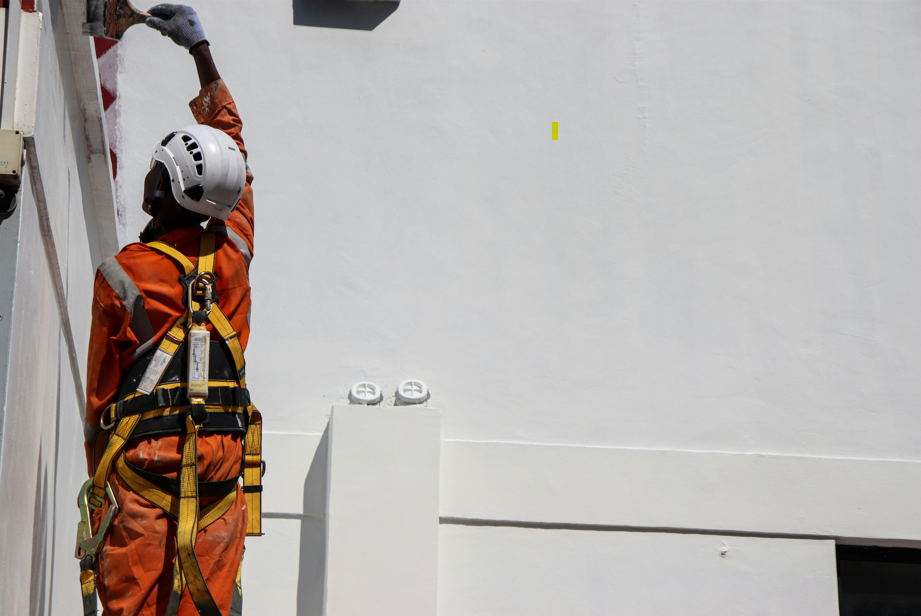
Sectors like construction, mining, and rail transportation have consistently carried greater safety risks compared with many other occupations. Workers in these environments operate powerful machinery, work in extreme conditions, and endure long hours of physically demanding labor.
The latest available data from the Bureau of Labor Statistics shows that the construction industries has the highest risks. In 2023, over 20% of workplace deaths occurred in the construction industry. Moreover, 38.5% of these deaths were because of falls, slips, and trips.
Over time, governments and organizations have introduced safety regulations and training programs to reduce accidents and protect employees. Recent technological advancements have significantly improved how companies manage workplace safety.
Digital monitoring systems, wearable technology, and artificial intelligence tools now enable employers to identify hazards more quickly and respond effectively. These innovations provide valuable information that helps prevent injuries and improve overall working conditions.
Modern safety solutions also encourage a culture where prevention receives more attention than reaction. Technology helps organizations detect problems earlier and maintain safer environments for workers in challenging industries.
The Evolution of Workplace Safety Technology
Workplace safety has progressed steadily as industries have adopted new tools and methods to protect employees. Earlier safety systems depended heavily on manual inspections and supervisor oversight. Safety officers relied on observation and routine checklists to ensure that workers followed safety procedures.
Digital technologies have expanded these capabilities. Consider manufacturing and maintenance, for example. Several modern technologies are helping reduce risks during manufacturing and maintenance work. Technologies like predictive maintenance systems evaluate equipment data to identify possible failures before they happen.
Automation, robotics, and drones handle inspections and hazardous tasks that would otherwise expose workers to unsafe conditions. In addition, connected sensors, smart monitoring systems, and data-driven platforms provide real-time information about equipment performance and workplace environments. This enables faster responses to safety threats.
Companies also use centralized digital platforms to monitor safety conditions across multiple locations. Managers receive immediate updates about equipment performance, environmental conditions, and operational issues. This level of visibility allows safety teams to respond to risks promptly rather than waiting for routine inspections.
Wearable Devices and Real-Time Worker Monitoring
Wearable technology has become a powerful tool for improving safety in physically demanding jobs. The system relies on sensors, artificial intelligence, and Internet of Things (IoT) devices to strengthen workplace safety with real-time monitoring. These tools collect data about worker movement, environmental conditions, and physical health to help prevent accidents.
This can be useful in several high-risk industries and environments, especially those laced with chemical hazards. A clear example occurred in February 2023, when a Norfolk Southern train derailment in East Palestine, Ohio, released toxic chemicals. A scientific study notes that 22 chemicals were released, and most of them were skin, eye, and respiratory irritants.
While nearby residents face such harsh consequences from a single incident, workers have to deal with it almost every day. Many exposed workers have developed medical conditions like esophageal cancer. Some of them have even filed a railroad lawsuit for esophageal cancer.
According to Gianaris Trial Lawyers, cancer risk is heightened due to exposure to benzene, asbestos, and diesel exhaust. Plaintiffs allege that employers didn’t monitor toxic levels or warn staff of potential health hazards. Wearable technology can monitor the impact of such toxins on workers’ health. This can help take precautionary measures early before the condition gets worse.
How do wearable devices help improve communication on job sites?
Many wearable safety devices include built-in communication features such as alert notifications, location tracking, or emergency signaling systems. If a worker encounters a dangerous situation, supervisors can receive immediate notifications. This quick communication helps safety teams respond faster and coordinate assistance when workers operate in remote or hazardous environments.
Artificial Intelligence and Predictive Safety Systems
Artificial intelligence has introduced new ways to identify hazards before accidents occur. Machine learning systems review operational data such as equipment performance, worker activities, and environmental conditions. These systems recognize patterns that may indicate a developing safety issue.
When a potential risk is detected, the system notifies safety managers or supervisors with alerts. Early warnings allow companies to correct problems before injuries happen. Predictive analysis enables organizations to plan equipment maintenance more efficiently, which lowers the chances of mechanical failures.
In manufacturing, for example, AI systems are helping prevent machine failure with predictive maintenance. These systems analyze data from connected machine sensors to identify issues before they lead to breakdowns. AI systems analyze large volumes of real-time and historical equipment data to identify patterns, anomalies, or early signs of wear.
This allows maintenance teams to repair or replace components before failure occurs. This approach allows manufacturers to minimize unexpected downtime, cut maintenance expenses, extend the life of machinery, and increase operational efficiency.
How does predictive analysis reduce workplace accidents over time?
Predictive safety systems analyze patterns from historical and real-time operational data. Over time, these systems learn which conditions tend to lead to equipment failures or unsafe situations. Once patterns are recognized, companies can adjust maintenance schedules, work procedures, or safety policies to reduce the likelihood of future incidents.
Automation and Robotics in Hazardous Tasks
Automation continues to reduce direct human exposure to dangerous tasks. Robots and automated machines can handle tasks that involve extreme temperatures, hazardous substances, or heavy lifting. These systems complete complex operations with precision while keeping workers at a safer distance.
Different types of mining robots are used for tasks such as hauling materials, drilling blast holes, surveying sites, and more. Autonomous haul trucks, drilling robots, drones, and robotic conveyor systems are among the equipment that mining companies are increasingly using.
Autonomous trucks can operate continuously while optimizing routes and reducing accident risks. Drilling robots, on the other hand, increase precision and reduce waste during excavation. Drones assist with mapping, exploration, and site monitoring, and robotic maintenance tools help reduce downtime during repairs.
Overall, robotic systems allow hazardous tasks to be performed remotely or automatically. This lowers the need for workers to enter dangerous areas and helps mining companies increase productivity while improving operational safety.
Human workers still play a central role in these operations. They supervise automated systems, analyze operational data, and intervene when necessary. Technology simply reduces the physical risks associated with many traditional tasks.
How do robotics improve precision in industrial operations?
Robotic systems operate with programmed accuracy and consistent performance. They can complete repetitive tasks with precise movements and minimal variation. This level of precision reduces operational errors and workplace accidents that might occur when complex tasks depend entirely on manual labor.
Modern technology has changed how industries approach workplace safety. Advanced monitoring systems, wearable devices, artificial intelligence tools, etc., provide new ways to protect workers operating in demanding environments. These technologies help identify hazards earlier, improve communication, and support better decision-making across entire organizations.
Companies also gain a clearer understanding of long-term workplace conditions through digital monitoring and data analysis. As innovation continues, workplace safety will likely improve even further.