

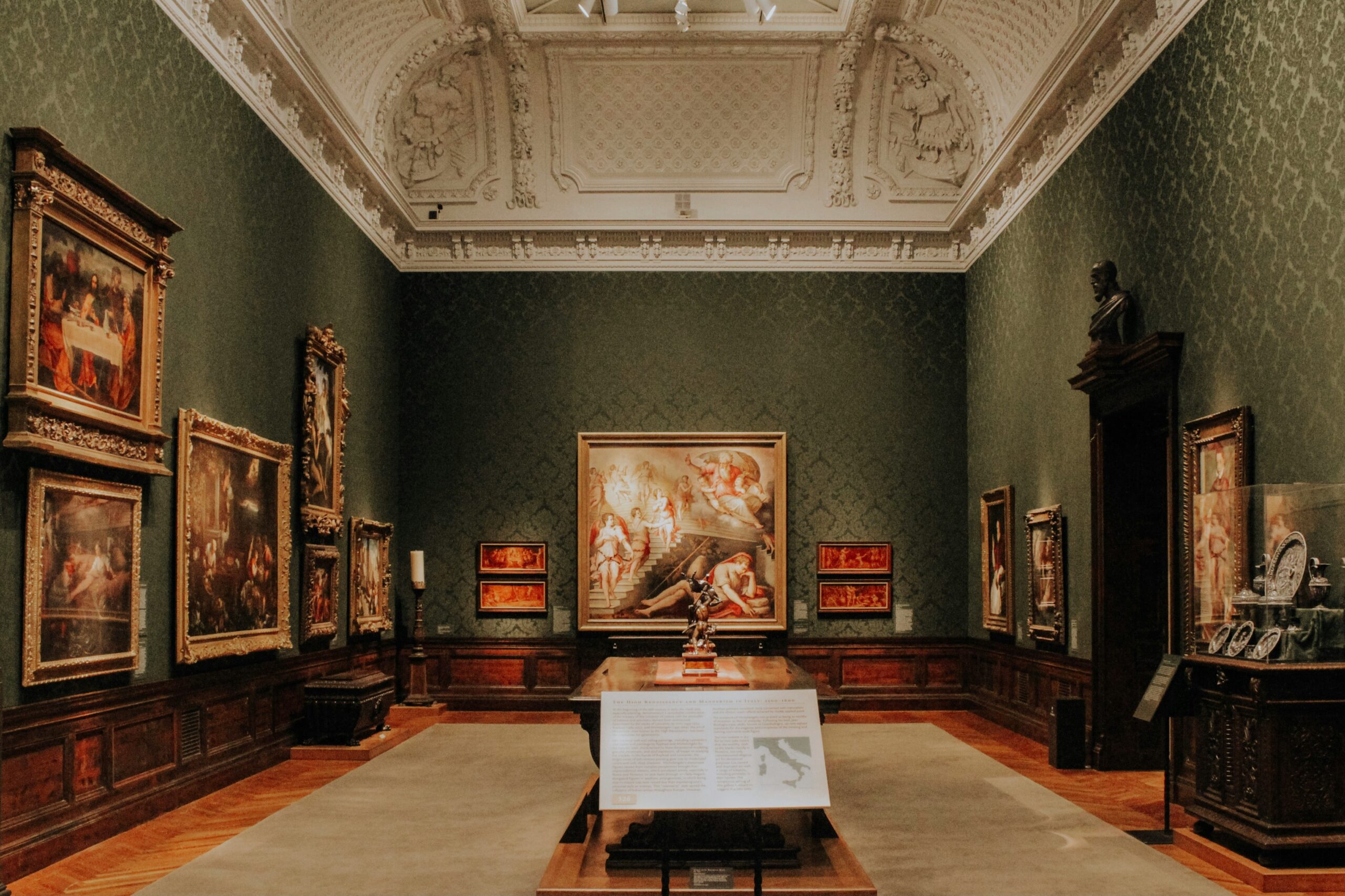
Most museums display history through objects, documents, and carefully arranged exhibits. Yet some places offer a far more powerful way to understand the past. Instead of observing artifacts from a distance, visitors can walk through real environments where significant events once unfolded.
These immersive settings preserve the physical spaces where people lived, worked, struggled, and made decisions that shaped history. Experiencing such environments adds depth that traditional displays cannot easily replicate.
The architecture, atmosphere, and preserved details tell stories on their own. For travelers and history enthusiasts alike, these sites transform learning into something personal, allowing the past to feel vivid, immediate, and unexpectedly real.
Exploring a Perfectly Preserved 17th-Century Warship
In Stockholm, Sweden, the Vasa Museum preserves one of the most extraordinary shipwreck stories in history. At its center stands the Vasa, a massive 17th-century warship built to showcase Sweden’s naval strength during the reign of King Gustavus Adolphus.
Designed as a powerful battleship, the vessel carried dozens of heavy bronze cannons. Its exterior was also decorated with hundreds of ornate wooden sculptures that symbolized royal authority and national pride.
Despite its grand ambitions, the ship’s career ended almost immediately. On August 10, 1628, the Vasa set sail from Stockholm harbor before a crowd gathered to witness its maiden voyage. Only minutes into the journey, a strong gust of wind caused the ship to tilt sharply. Because the gun ports were open, water rushed inside, and the vessel sank within about 25 minutes. Around thirty people lost their lives in the disaster.
For more than three centuries, the wreck lay at the bottom of the harbor. When it was finally raised in the 20th century, the Baltic Sea’s cold, low-salinity waters had remarkably preserved much of the wooden structure.
Today, visitors can walk around several viewing levels inside the museum and see the towering hull up close. Standing beside the Vasa offers a powerful glimpse into the ambition, artistry, and engineering challenges of early modern naval warfare.
Walking Through a Real World War II Submarine
One of the most immersive museum experiences in the United States sits along Cleveland’s waterfront. The USS Cod Submarine Memorial is not a replica or modern reconstruction. It is a genuine World War II submarine preserved almost exactly as it served during the war.
The experience begins the same way it did for sailors decades ago. Visitors climb down a steep vertical ladder through the original hatch. There are no widened corridors or modern walkways added for comfort. Once inside, the tight layout immediately stands out.
Narrow passageways connect torpedo rooms, control stations, engine spaces, and sleeping bunks. Pipes and machinery line the walls, and the low ceilings remind visitors how confined submarine life really was. During World War II, the vessel completed multiple patrols in the Pacific and helped sink enemy ships. Today, it rests on the shore of Lake Erie, offering a rare look at how underwater warfare actually worked.
If you plan to drive around Cleveland to reach the site, stay attentive on the road. In the Cleveland region, only about 29 percent of roads are rated “good,” as reported by local news. Most visits go smoothly, of course. Still, if something unfortunate happens, it is wise to get help after a Cleveland car accident quickly.
As noted by Piscitelli Law Firm, a lawyer can review the situation and deal with insurance companies. They can also gather evidence and help you pursue compensation for medical costs, vehicle damage, or lost income.
Discovering a Sacred Space Inside a Salt Mine
Some museums exist in places few people expect. In Colombia, one of the most remarkable cultural landmarks lies deep beneath the earth. The Salt Cathedral of Zipaquirá is carved inside an active salt deposit about 180 meters underground in the mountains near Zipaquirá.
The cathedral stands within salt formations that geologists believe formed around 200 million years ago. Mining in the area eventually created vast tunnels beneath the mountains. Over time, miners began shaping small shrines inside the caverns, dedicating them to Our Lady of the Rosary, the patron saint of miners. This tradition later inspired the creation of a full underground cathedral.
The current structure opened in 1995, replacing an earlier church from 1954 that had been closed due to safety concerns. Designed by architect Roswell Garavito Pearl, the cathedral features three grand naves symbolizing the birth, life, death, and resurrection of Jesus Christ.
Visitors descend through a 400-meter tunnel that forms the Via Crucis, with fourteen stations carved directly into the salt walls. Along the way, dramatic lighting reveals sculptures, chapels, and a towering 16-meter cross illuminated from below.
The experience feels almost surreal. In recent years, the site has drawn huge crowds. It welcomed more than 700,000 visitors in 2024 alone, making it one of Colombia’s most extraordinary underground attractions.
A Prison That Became a Historical Museum
Another place where visitors step directly into history is in the United States. The Eastern State Penitentiary once ranked among the world’s most famous and expensive correctional facilities.
Opened in 1829, it introduced a radical concept known as the penitentiary system. Prisoners were kept in solitary cells designed to encourage silence, reflection, and moral reform. The prison’s unusual radial layout and strict philosophy later influenced prison architecture across the globe.
Today, the massive complex operates as a historic site and museum. Visitors walk through crumbling corridors where iron doors, narrow skylights, and aging stone walls still reveal the building’s imposing design. The eerie atmosphere makes it easy to imagine what daily life once felt like behind those walls.
The prison also held well-known inmates, including gangster Al Capone in the 1920s. His cell has been recreated to illustrate how wealth sometimes softened the harsh conditions of prison life.
In recent years, the site has taken on a broader mission. Beyond preserving the structure, the museum now explores the history and consequences of incarceration. Through exhibits, guided tours, and educational programs, it encourages visitors to reflect on justice, punishment, and prison reform.
FAQs
What is the best war museum in the world?
Many experts consider the Imperial War Museum among the best war museums worldwide. It presents powerful exhibits on both world wars, conflicts, and civilian experiences. The museum combines artifacts, vehicles, and personal stories to show war’s human and historical impact.
What is a naval museum?
A naval museum preserves and displays artifacts related to naval history and maritime warfare. Exhibits often include historic ships, submarines, weapons, uniforms, and navigation equipment. These museums help visitors understand naval battles, technological advances, and the lives of sailors throughout history.
Which museum is considered the most luxurious in the world?
Many consider the Louvre Abu Dhabi among the most luxurious museums in the world. Its striking dome architecture, waterfront setting, and vast art collection create a grand experience. The museum blends culture, design, and luxury in an extraordinary way.
Experiencing history within authentic environments changes how people understand the past. The walls, corridors, and structures themselves become storytellers, revealing details that books and photographs often miss. These spaces capture human ambition, creativity, hardship, and resilience in ways that feel tangible and immediate.
Walking through them encourages visitors to pause, imagine, and reflect on how earlier generations lived and responded to their circumstances. Such encounters remind us that history is not abstract or distant. It unfolded in real places shaped by real people.