

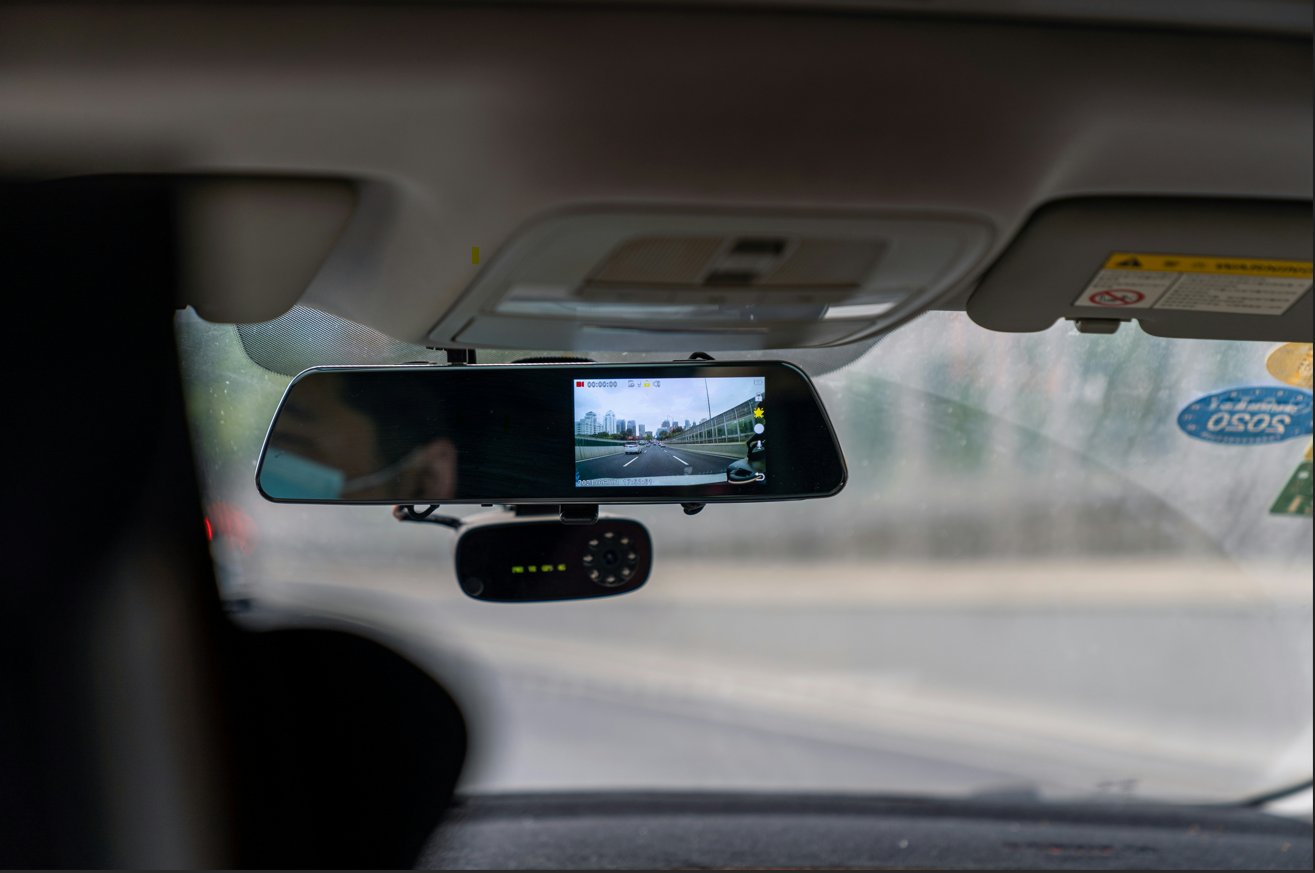
Modern vehicles are becoming increasingly intelligent, and smart dashcams are transforming everyday driving. Unlike basic cameras that only record footage, they combine high-definition video, artificial intelligence, and connectivity. These systems detect collisions, monitor driver behavior, provide lane-departure alerts, and can automatically send emergency notifications after accidents.
As traffic grows and driving becomes more complex, drivers need smarter ways to reduce risk. Smart dashcams provide crucial evidence and real-time insights to prevent accidents before they occur. By turning vehicles into connected safety hubs, these devices are fundamentally reshaping road accountability and driver protection.
Features making dashcams smarter, transforming how drivers document and survive journeys.
What Makes Modern Dashcams “Smart”
Modern dashcams extend beyond simple recording by integrating AI, sensors, and cloud connectivity to enhance road safety. They detect sudden braking, collisions, lane departures, and risky behaviors in real time. Many models include GPS tracking, night vision, and parking surveillance. Cloud storage and mobile apps enable quick footage access.
A survey published by Repairer Driven News highlights growing consumer support for telematics tools like dashcams. About 85% of respondents believe dashcams encourage safer driving practices. Additionally, 94% say dashcams provide valuable evidence during accidents or disputes. This support reflects rising trust in AI-enabled monitoring technologies.
Encouraging Safer Driving Habits
Smart dashcams encourage safer driving by increasing accountability and awareness behind the wheel. Many systems use artificial intelligence to monitor behaviors like speeding and harsh braking. They also detect rapid acceleration and distracted driving.
When risky actions are detected, the dashcam delivers instant audio or visual alerts. These warnings prompt drivers to adjust their behavior immediately. Over time, consistent feedback helps drivers build safer, more cautious driving habits.
Logistics Business reports that dual-facing dashcams are twice as effective as front-facing models alone. By monitoring both the road and driver behavior, they detect risks like drowsiness or mobile usage. This visibility creates a feedback loop that fundamentally improves driving habits.
Dashcam Footage and Its Role After Road Accidents
Dashcam footage helps show what truly happened during a road accident by capturing traffic signals, vehicle movements, road conditions, and driver behavior. This visual record reduces uncertainty and provides reliable evidence. Such recordings also support insurance claims by helping insurers determine liability faster. Clear video evidence can reduce disputes between drivers and simplify the claims process.
Consider a multi-vehicle crash reported by Yahoo News that occurred in Fayetteville on January 21, 2026. The collision involved four vehicles at a busy highway intersection known for frequent wrecks. Preliminary findings suggest a white semi-truck driver failed to obey a traffic control device, triggering a chain reaction involving three other vehicles.
In situations like this, dashcam footage from the other drivers can become valuable evidence. Recordings showing how the semi-truck entered the intersection may help demonstrate negligence and clarify how the crash unfolded.
Victims from other cars who suffered injuries can consider consulting a local Fayetteville car accident lawyer to better understand their legal options. Dashcam footage can provide valuable supporting documentation, helping clarify events and strengthen potential legal claims.
Keith Law Group notes that an experienced local car accident lawyer investigates crashes, gathers evidence, and handles insurance claims. They may also negotiate settlements and represent victims in court when necessary.
Protecting Drivers From Fraud and False Claims
Smart dashcams serve as a powerful defense against “crash for cash” scams and staged accidents. By providing high-definition, indisputable video evidence, these devices make it nearly impossible for fraudsters to fabricate details. Beyond simple video, integrated GPS and G-sensors provide a “digital fingerprint” of the vehicle’s exact speed.
They also record the precise braking force at the moment of impact. This data-driven transparency effectively exonerates innocent drivers from wrongful accusations. Ultimately, it significantly accelerates the claims process by eliminating the “he-said, she-said” disputes that often lead to premium hikes.
Benefits for Ride Share Drivers and Commercial Fleets
For rideshare and commercial operators, a vehicle is a mobile office and a significant liability center. Smart dashcams with dual-facing lenses have become indispensable tools for modern transport. They provide simultaneous visibility of the road ahead and the interior cabin. This 360-degree accountability protects drivers from unruly passengers and false accusations.
It also helps fleet managers ensure strict compliance with safety protocols. Telematics integration enables immediate scoring of a driver’s performance. These systems transform raw footage into actionable coaching opportunities. This proactive approach reduces operational downtime and extends vehicle lifespan.
The Future of Dashcam Technology
The future of dashcam technology is linked to advances in artificial intelligence and connected vehicles. New smart dashcams integrate with driver assistance systems to enable hazard detection, fatigue monitoring, and emergency alerts. Some models also use cloud analytics to review safety patterns and support better driving decisions.
Fortune Business Insights reports rapid growth in dashcam technology and global adoption trends across the worldwide market. In 2025, the global dashcam market hit $0.55 billion and continues to see rapid growth. It is projected to reach $5.28 billion by 2034, growing at 29.4% CAGR during the forecast period.
Frequently Asked Questions
What features should drivers look for in a dashcam?
Drivers should prioritize high-resolution video, wide-angle lenses, and strong night vision for clarity. Essential features like GPS tracking and G-sensors ensure reliable accident documentation. Additionally, parking mode and loop recording are crucial for maintaining continuous, automated vehicle protection.
Can dashcam footage be shared directly with police?
Yes, dashcam footage can be shared with police to provide evidence of accidents or reckless driving. Drivers often voluntarily offer recordings to clarify event sequences and identify involved vehicles. While local submission processes vary, this footage serves as vital witness support.
Are there privacy concerns when using dashcams?
Dashcams raise privacy concerns by continuously recording public spaces and passengers. Some regions strictly regulate audio or interior cameras to protect personal data. The Electronic Frontier Foundation advises drivers to understand local laws, inform passengers, and use all footage responsibly.
Driving Toward a Safer, Smarter Future
Smart dashcams transform road safety by combining advanced recording with intelligent monitoring. These devices offer practical protection by providing accident evidence, preventing fraud, and encouraging safer habits. From individual drivers to fleet management, they ensure comprehensive security in today’s increasingly complex driving environment.
As vehicles become more connected and technology evolves, smart dashcams will play a greater role in preventing accidents. By adopting these tools, modern drivers can enhance their awareness and protect themselves from unexpected risks. Ultimately, these devices contribute to building safer roads and improved accountability for everyone.