

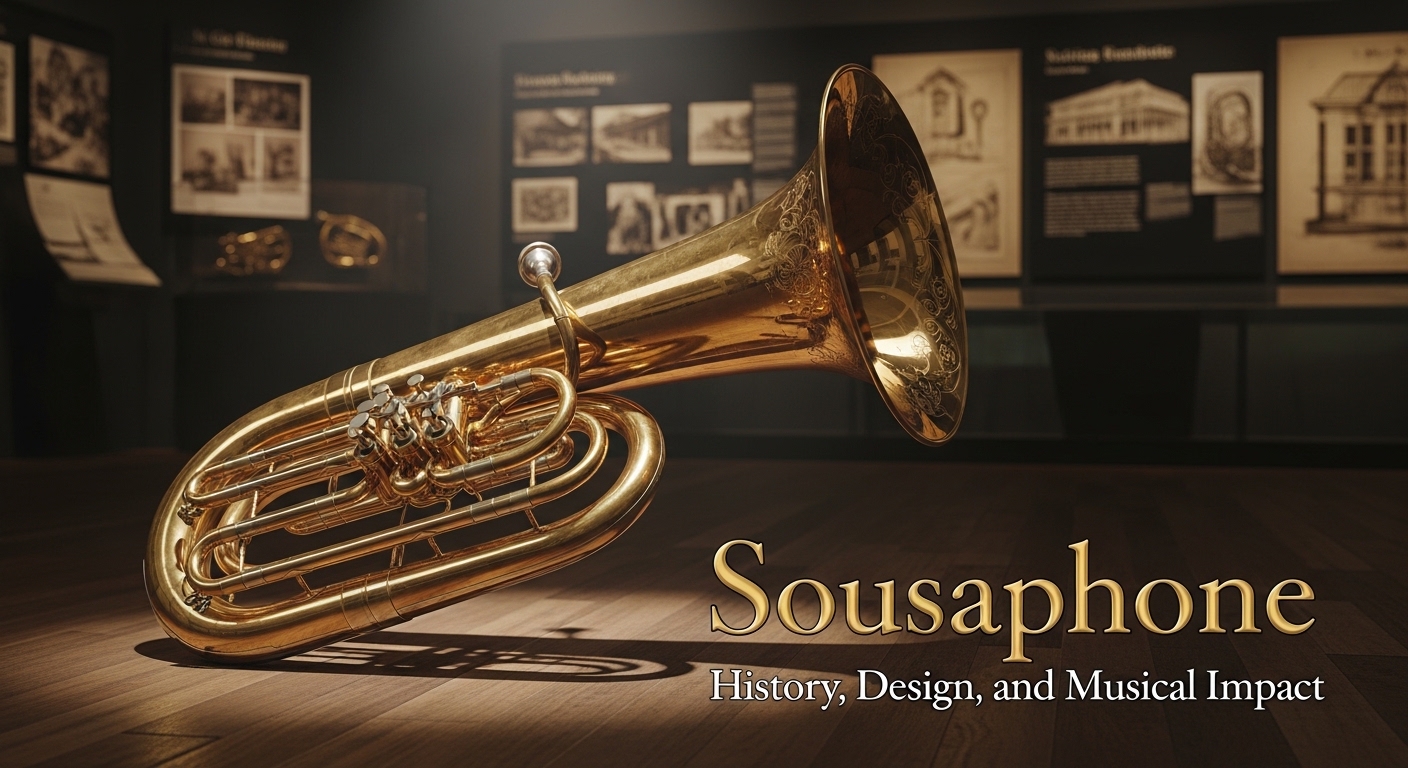
The sousaphone is one of the most recognizable instruments in marching bands and brass ensembles, known for its distinctive shape and deep, resonant sound. Designed for mobility and projection, it allows musicians to carry powerful bass lines while marching or performing outdoors. Its unique circular form wraps around the player’s body, making it both practical and visually striking. The sousaphone has influenced musical traditions for over a century, providing rhythm, harmony, and energy to various ensembles. Understanding the instrument’s history, design, and musical applications reveals why it remains a central component in marching bands worldwide.
Origins of the Sousaphone
The sousaphone was created in the late 19th century by the American composer and bandleader John Philip Sousa. He sought an instrument that could provide a strong bass sound while being easy to carry during parades and outdoor performances. The design was based on the tuba but wrapped in a circular shape to rest comfortably over the shoulder, allowing mobility for marching musicians. Sousa collaborated with instrument makers to perfect its form and functionality. Since its invention, the sousaphone has become a staple of American marching bands, particularly in parades and military displays, providing a signature low brass sound that is both powerful and versatile.
Design and Structure
The design of the sousaphone distinguishes it from other tubas with its circular, forward-facing bell and wrap-around tubing. The instrument is usually made of brass, although modern variants may use lighter materials for ease of handling. Its bell is angled upward and outward to project sound effectively in open spaces, making it ideal for marching performances. Valves and slides allow musicians to play a wide range of notes, while the instrument’s size and curvature help balance its weight on the player’s shoulder. The sousaphone’s unique design contributes not only to sound projection but also to its iconic visual identity in marching bands.
Playing Techniques
Playing the sousaphone requires skill, breath control, and precise fingering. Musicians must maintain posture while supporting the instrument’s weight, often marching simultaneously. Breath management is critical for sustaining long, resonant notes that form the foundation of a band’s sound. Proper embouchure and valve technique allow players to perform intricate melodies and bass lines with clarity. Additionally, coordination between marching steps and musical phrasing is essential for synchronized performances. Mastery of the sousaphone combines physical endurance with musicality, allowing performers to deliver powerful, consistent sound in a variety of musical contexts.
Role in Marching Bands
In marching bands, the sousaphone serves as the primary bass instrument, providing harmonic foundation and rhythm. Its deep tones complement higher brass and woodwind sections, enriching the overall sound. The forward-facing bell allows sound to project across stadiums, streets, and parade routes, ensuring that the ensemble is heard clearly by audiences. Sousaphone players often contribute visual impact as well, with the instrument’s distinctive wrap-around design adding to the band’s dynamic appearance. The sousaphone’s role is both musical and aesthetic, combining sonic depth with a commanding presence that enhances the performance experience for spectators.
Popular Music and Cultural Significance
Beyond marching bands, the sousaphone has made appearances in jazz, brass bands, and even contemporary music. Its versatility allows musicians to adapt its deep sound for both traditional and modern styles. In New Orleans brass bands, the sousaphone provides a rhythmic and melodic foundation essential to the genre’s lively, improvisational character. Its cultural significance extends to parades, festivals, and street performances, symbolizing energy, celebration, and musical heritage. The sousaphone’s presence in diverse musical traditions highlights its adaptability and enduring appeal as a powerful instrument capable of bridging classical, folk, and popular music contexts.
Maintenance and Care
Maintaining a sousaphone is essential to ensure its longevity and optimal performance. Regular cleaning of tubing, valves, and the bell prevents buildup of moisture and debris that could affect sound quality. Lubricating valves and slides ensures smooth operation, while careful handling minimizes dents or damage to the instrument’s structure. Players must also store the sousaphone in a protective case when not in use to prevent exposure to environmental hazards. Proper maintenance extends the instrument’s life and preserves its tonal integrity, allowing musicians to rely on it for both practice and public performances over many years.
Choosing the Right Sousaphone
Selecting a sousaphone involves considering weight, material, and tonal quality. Lighter materials, such as fiberglass, are ideal for younger or marching musicians who need to carry the instrument over long distances. Brass models offer a traditional sound preferred in concert and professional settings. Players should also evaluate bell size and overall ergonomics to ensure comfort during extended use. Choosing the right instrument enhances playability, endurance, and musical expression. Experienced musicians often test multiple models to find one that balances projection, tone, and ease of handling, ensuring both performance quality and physical comfort.
Learning and Practice Tips
Learning to play the sousaphone effectively requires consistent practice and attention to technique. Beginners should focus on breath control, posture, and embouchure to produce a clear, resonant tone. Practicing scales, long tones, and marching coordination builds stamina and precision. Listening to recordings of professional performances can help players understand musical phrasing and tone quality. Additionally, working with experienced instructors or band directors provides guidance in both musical and marching techniques. Regular, structured practice is essential for developing skill on the sousaphone and contributing confidently to ensemble performances.
The Future of the Sousaphone
The sousaphone continues to evolve in design, materials, and musical application. Advances in lightweight construction and ergonomics make it more accessible to younger musicians and expanding marching programs. Its role in traditional and contemporary ensembles demonstrates its versatility and enduring relevance. As musical genres blend and global exposure increases, the sousaphone remains an instrument that bridges visual spectacle and musical foundation. Its distinctive design, rich tone, and cultural significance ensure that it will continue to be celebrated in bands, orchestras, and community performances for generations to come.
Conclusion
The sousaphone is a unique and essential instrument that combines musical depth with striking visual presence. Its history, design, and role in marching bands and cultural music traditions highlight its versatility and impact. From careful maintenance to skilled performance, mastering the sousaphone requires dedication and practice, but the results contribute significantly to ensemble sound and musical expression. Whether in parades, jazz bands, or contemporary performances, the sousaphone remains a symbol of rhythm, resonance, and enduring musical tradition.